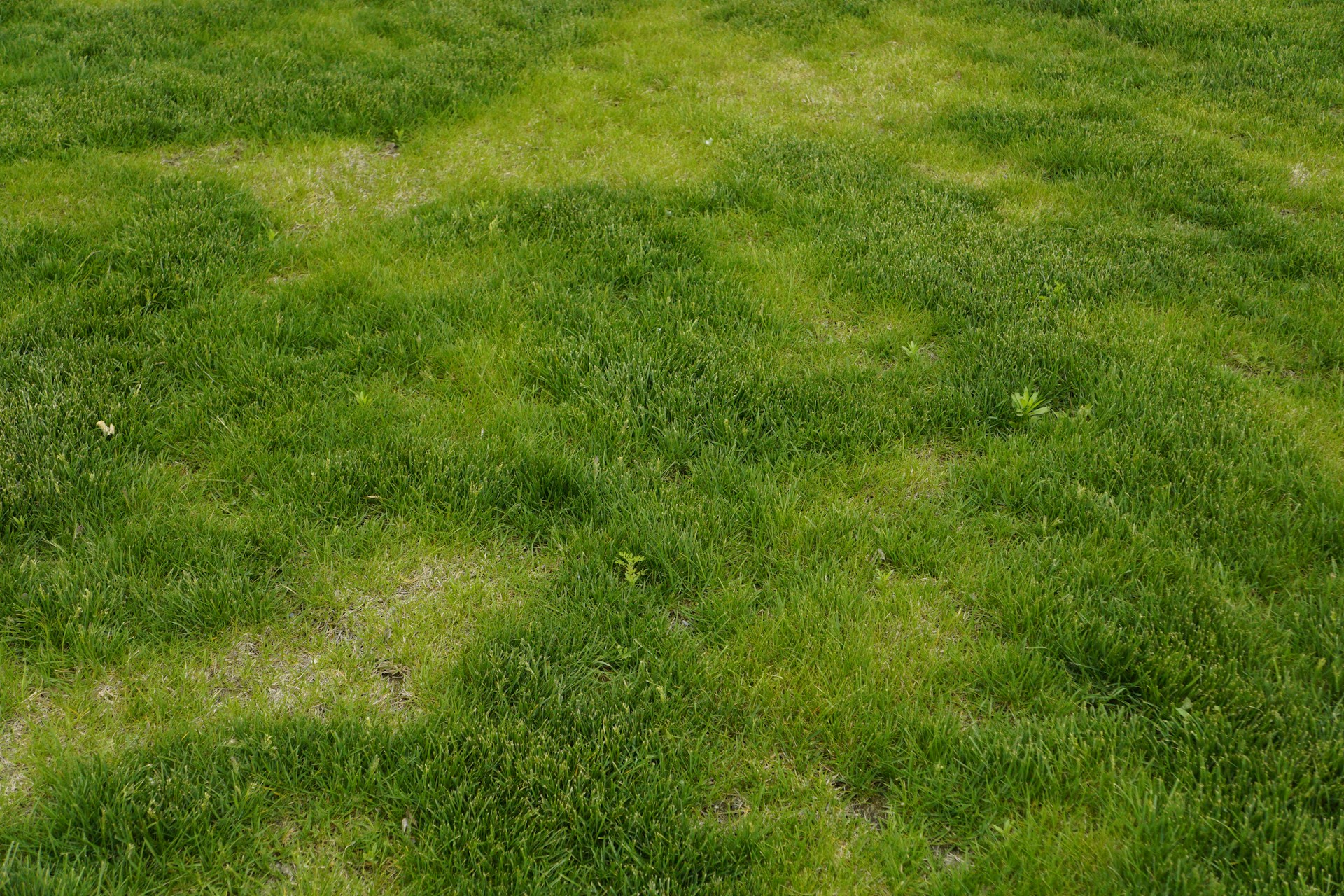
A renovation is the difference between treating individual problems and rebuilding the lawn into something that works. Most UK lawns reach a point — usually after five to ten years of light maintenance — where mowing and feeding alone can’t reverse the accumulated damage of compaction, thatch, moss, and thinning grass. That’s when renovation becomes the right answer.
This guide covers the full process. When renovation is the right call (and when it isn’t), how to assess what your lawn needs, the four phases of the work itself, realistic timing in the UK calendar, what tools actually justify their cost, and what to expect at each stage. It’s long because doing this properly involves more than most articles admit.
When renovation is the right answer
Renovation makes sense when your lawn has problems no amount of routine care will fix. The clearest signs:
- More than 30-40% moss coverage that returns annually despite treatment
- Persistent bare patches that don’t recover even after overseeding
- Standing water after rain that takes more than 24 hours to drain
- A spongy, bouncy feel underfoot indicating thick thatch
- Visible soil compaction (the lawn feels rock-hard in summer)
- Yellowing or thinning across the whole lawn rather than localised patches
- Weeds dominating more than 25% of the lawn surface
If two or three of these apply, you have a renovation case. If only one applies, targeted intervention is probably enough — see our guides on specific problems for moss, yellow patches, bare patches, and weed-dominated lawns.
When renovation isn’t the answer
A few situations where renovation won’t fix the underlying issue and you should do something else first:
Severe drainage problems. If standing water persists for days, no amount of aeration will fix that. You need structural drainage work (French drain, soakaway, or similar) before renovation makes sense.
Heavy shade. Lawns under mature trees with less than 4 hours of direct sun will fail even after a perfect renovation. Either accept thinner grass, replace the area with shade-tolerant planting, or remove some tree canopy.
The lawn is genuinely beyond saving. If grass coverage is below about 30% and the rest is weeds, moss, and bare ground, returfing or full reseeding from scratch is more economical than renovation. The deciding factor is usually budget — returfing 100 square metres costs around £600-1,000 in materials versus £150-250 for renovation, but renovation takes a full season to look good while turf is instant.
The four phases of renovation
Renovation works in a sequence. Skipping or reordering phases is how people end up with worse lawns than they started with.
Phase one: kill weeds and unwanted growth
Before you do any structural work, deal with weeds. Renovation creates ideal conditions for weed seeds to germinate (open soil, watering, light), so any existing weed population will explode if you don’t tackle it first.
Use a selective lawn weedkiller — Resolva Pro, Weedol Lawn Weedkiller, or Verdone Extra are reliable UK options. Apply 7-10 days before you start the rest of the work. Most selective weedkillers don’t kill grass, only broadleaf weeds (dandelions, plantain, daisies, clover). Spray on a still, dry day with no rain forecast for 24 hours.
For lawns with severe weed problems, you may need a second application after a fortnight before moving to phase two.
Phase two: scarify
Scarifying removes the layer of dead grass, moss, and organic matter — the thatch — that has built up between the soil and the live grass. A small amount of thatch (less than 1cm) is fine and useful. More than that suffocates the lawn.
You can scarify by hand with a spring-tine rake on small lawns, but it’s brutal physical work and rarely thorough enough. For anything over about 30 square metres, an electric scarifier is worth the £100-200 it costs. We’ve covered which to buy in our best electric scarifiers guide.
Scarify in two passes at 90 degrees to each other. The first pass should be set to penetrate just into the soil. The second pass goes deeper if there’s significant thatch. Expect the lawn to look devastated afterwards. Bare soil should be visible across roughly 30-40% of the surface. This is correct.
Rake or vacuum up all the debris. A garden vac with a leaf-collection function makes this dramatically faster than raking. The amount of material you remove from a typical 100sqm lawn is genuinely shocking — multiple full bags is normal.
Phase three: aerate and address soil structure
With thatch removed, the soil’s true condition is exposed. Compaction is the single most common cause of lawn failure in the UK and aeration is the only fix.
For small lawns, a hollow-tine fork pushes 10cm cores out of the soil at regular intervals. It’s slow, hard work, but does an excellent job. For larger lawns, hire a powered hollow-tine aerator from a local hire shop for a day — typically £40-60 — or buy a roller aerator (less effective but viable for repeat seasonal use).
Solid-spike rolling aerators work the surface but compress the soil rather than removing it. They’re better than nothing but significantly less effective than hollow-tine for renovation purposes.
After aeration, top-dress the lawn with a sandy lawn dressing if your soil is clay-based or compacted. Spread roughly 5-10kg per square metre and brush it into the holes left by aeration. Over multiple seasons, top-dressing fundamentally improves the soil structure.
If you’ve not tested soil pH in years, this is the moment. UK soils trend acidic over time. Below pH 5.5, grass struggles. A simple test kit costs under £15 and tells you whether to apply lime in autumn.
Phase four: overseed and feed
Now you reseed. The lawn surface should look like prepared seedbed: aerated, top-dressed, with bare soil visible across much of the area.
Use a seed mix matched to your lawn’s purpose. Hard-wearing family lawns want a rye-fescue blend. Ornamental lawns want fescue-bent. Shaded areas want a dedicated shade mix. We’ve covered seed selection in detail in our best lawn seed for UK gardens guide.
Sowing rate for renovation overseeding is typically 30-50g per square metre, slightly heavier than maintenance overseeding because you’re filling more bare ground. Sow in two passes at 90 degrees for even coverage. Don’t rake the seed in; just water it gently to settle it into the soil contact it needs.
Apply a balanced lawn feed at the same time. A spring or autumn feed depending on timing — the renovation-friendly products are usually marketed as “spring feed” or “pre-seeder feed” and contain a slightly higher phosphorus content to support root development.
For the next two to three weeks, keep the soil surface moist. Light daily watering is better than heavy occasional watering. Germination takes 10-14 days for most UK seed mixes, sometimes longer in cooler conditions.
Realistic timing in the UK calendar
Two renovation windows work in the UK climate.
Spring (mid-March to early May). Soil temperature reaches the 8-10°C minimum needed for grass germination, rainfall is generally reliable, and you have the full growing season ahead for the lawn to recover and thicken. Best for moderate renovations where the lawn isn’t catastrophically damaged.
Autumn (early September to mid-October). Often the better window. Soil is still warm from summer, autumn rainfall handles most of the watering for you, weed pressure is lower, and the lawn has the cool, damp conditions of winter to establish roots before next year’s growing season. Best for serious renovations.
Avoid renovating in summer (drought stress kills new seedlings), winter (cold soil prevents germination), or during obvious weather extremes. A wet, warm September week beats a dry April fortnight every time.
What it costs
Realistic UK renovation costs for a typical 100 square metre garden lawn:
| Item | Approximate cost |
|---|---|
| Selective weedkiller | £15-25 |
| Electric scarifier (purchase) | £120-200 |
| Hollow-tine aerator hire (day) | £40-60 |
| Lawn dressing (300kg) | £40-70 |
| Quality seed (3-5kg) | £25-50 |
| Spring feed | £15-25 |
| Total (first year) | £255-430 |
After the first year, scarifier ownership pays back across multiple seasons, the dressing only gets reapplied lightly each year, and the costs drop to £60-120 annually for ongoing maintenance.
What to expect at each stage
Setting realistic expectations matters because the lawn looks worse before it looks better, and most people panic at week three.
Week 1 (after weedkiller): Lawn looks normal but weeds are dying back. Don’t mow yet.
Week 2 (scarify and aerate): Lawn looks devastated. Bare soil visible everywhere, ground torn up, large bags of debris removed. This is correct.
Week 3 (after overseeding): Looks like a soily mess with lines of seed visible. Daily watering window starts.
Week 4-5: First grass seedlings appear. Looks like an uneven five-o’clock shadow across the lawn. Don’t walk on it yet.
Week 6-8: New grass thickens and reaches mowable height (around 7cm). First cut at maximum mower height. Lawn starts to look like a lawn again but patchy.
Month 3-4: Substantial recovery. Lawn looks markedly better than before renovation. Some thin patches remain.
Month 6-9: Full recovery. Renovated lawn now significantly thicker, denser, and healthier than before. The work pays off here.
What we’d skip
A few common renovation recommendations that aren’t worth the money or effort:
“Lawn sand” as a renovation solution. Lawn sand is a moss killer plus feed. It’s a maintenance product, not a renovation product. Use it when you have moss; don’t use it as a structural fix.
Premium “professional” seed mixes for ordinary family lawns. A good UK rye-fescue blend at £30/kg from a specialist UK supplier is plenty. The £80/kg “estate-grade” mixes are aimed at people maintaining bowling greens.
Returfing in spring expecting instant results. New turf needs near-daily watering for two months. Spring renovation gives a better long-term result for less money than spring returfing for most domestic situations.
Skipping the soil work because the lawn looks “alright.” If you’ve decided to renovate, do it properly. Half-renovating is a waste of the time and money you’ve already committed.
Renovation is one of those projects where the gap between doing it right and cutting corners is enormous. Done properly once, it sets up the next decade of easy maintenance. Done badly, you’ll be doing it again in two years with the same problems.