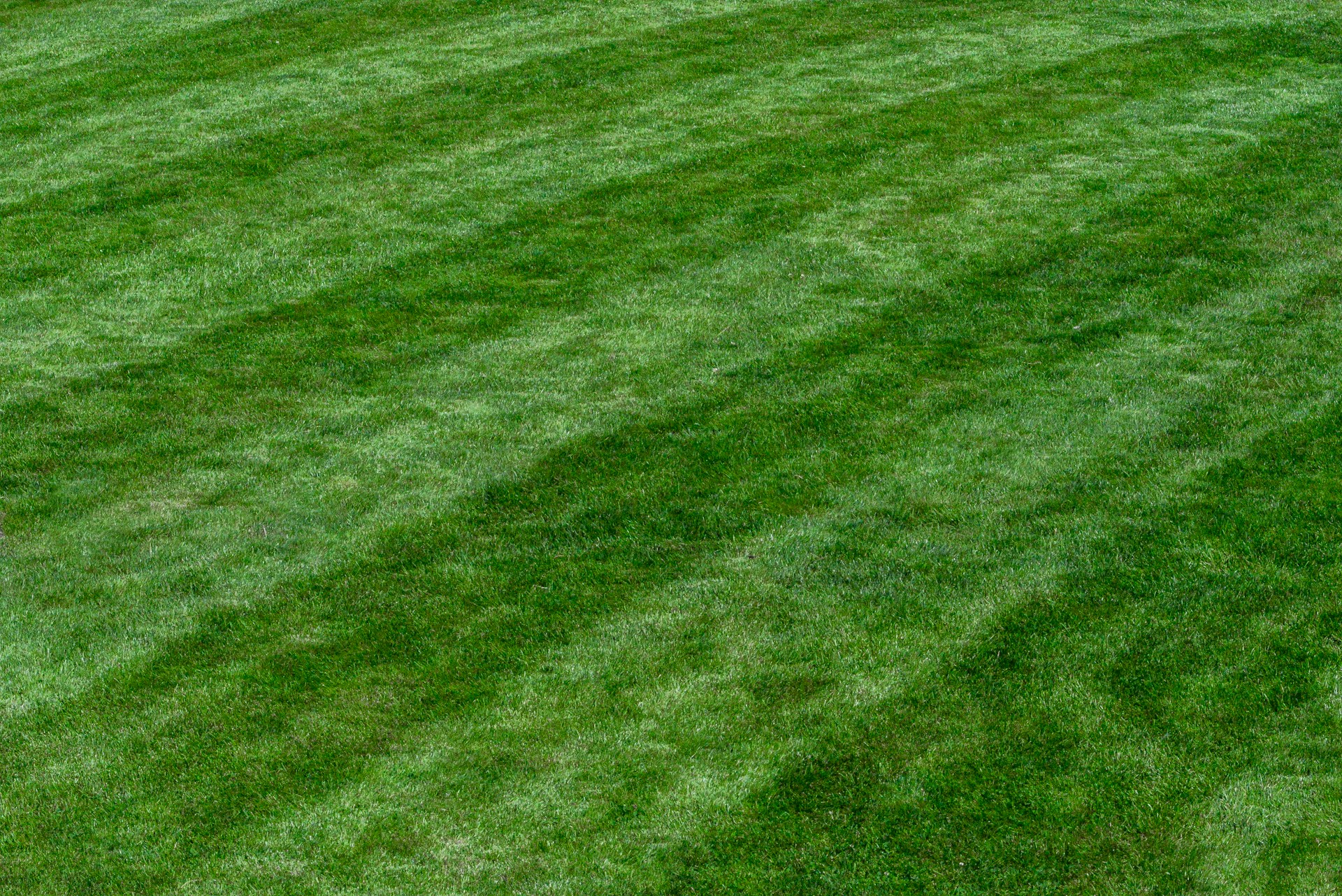
A properly striped lawn looks like effort and expertise. It’s neither. It’s just light bouncing off blades of grass leaning in opposite directions — pale where it bends away from you, darker where it bends toward you. The illusion is striking, but the technique behind it is one of the simplest skills in lawn care.
You don’t need a sit-on mower. You don’t need a specialist greenkeeper’s mower. You need a mower with a roller, the right cutting height, and about ten extra minutes per mow. Within three or four cuts, you’ll have stripes.
Why stripes work
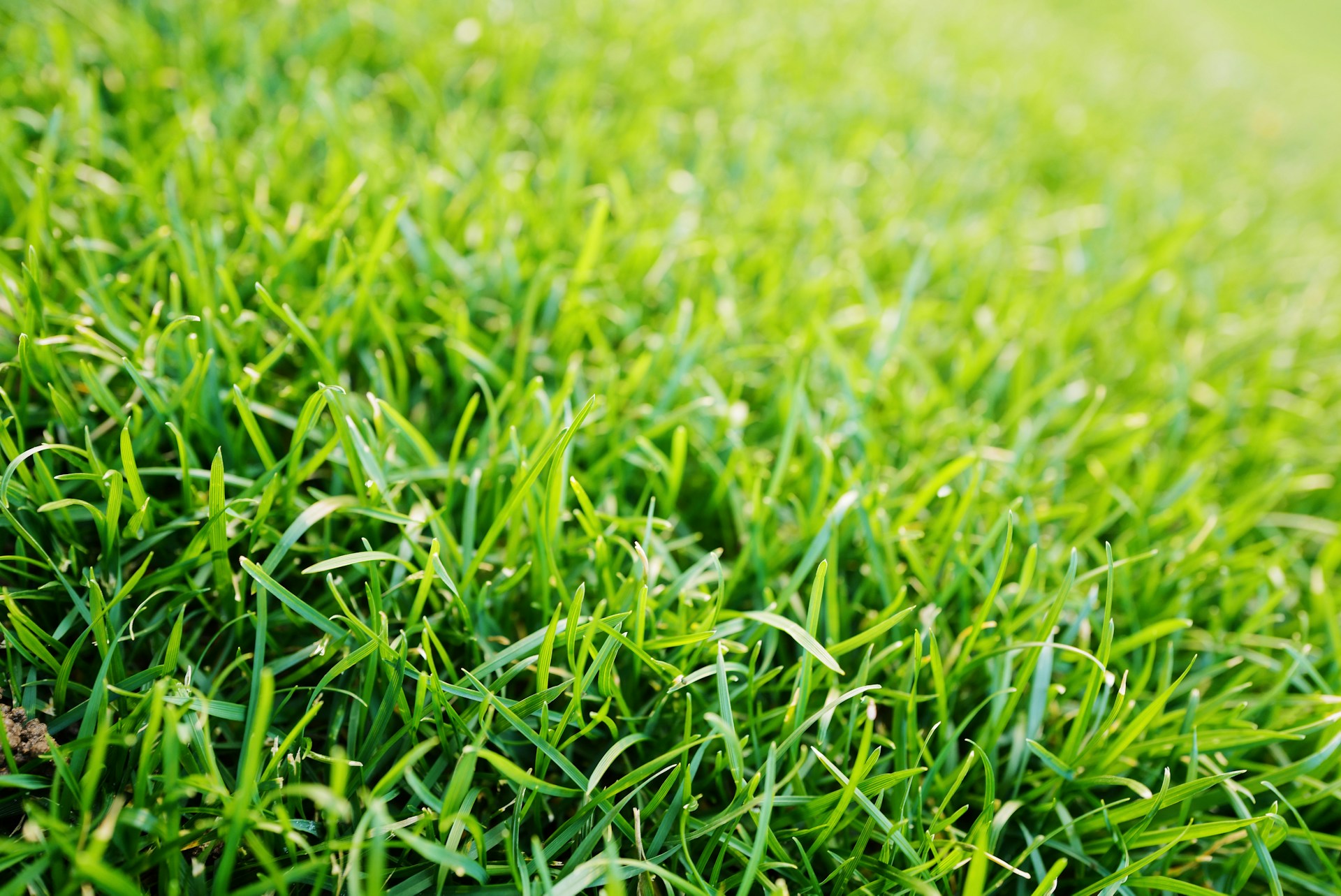
The pale stripes aren’t a different colour grass. They’re grass bent away from your eye, so you see the flat underside of each blade reflecting more light. The dark stripes are grass bent toward you — you see the side of each blade, which absorbs and shades light. Walk around to the opposite side of the lawn and the stripes invert. Pale becomes dark, dark becomes pale.
Two things need to happen to get this effect.
First, the grass needs to be lying down, not standing up. Cutting alone doesn’t do this reliably — the blade chops the top off but the rest stays upright. A roller on the back of the mower presses the cut grass flat in the direction of travel.
Second, you need to mow in alternating directions. The grass leans whichever way you push it. Going up the lawn presses it forward, going back presses it backward. Adjacent passes leaning in opposite directions create the contrast.
That’s it. The technique looks impressive but it’s two physics tricks executed slightly more carefully than a normal mow.
What you need
A roller is the only non-negotiable. The roller can be:
Built into the mower. Cylinder mowers (the traditional reel-blade kind) all have rollers built in. So do most quality rotary mowers marketed for lawn care rather than rough cutting. Look for “rear roller” or “lawn striper” in the specifications.
A separate striping kit. These bolt onto the back of an existing rotary mower. Various brands sell them for £30-80. They work, but the results aren’t quite as crisp as a built-in roller because the mower wasn’t designed for the extra weight. Worth it as an upgrade for an existing mower rather than buying new.
A separate hand roller after mowing. Lower quality stripes, twice the work. Skip this approach unless you’re trying to stripe with a hover mower for some reason.
Cylinder mowers produce the best stripes. The combination of a precise cut from the reel blades and a heavy roller built into the chassis is what most professional groundsmen use. If you’ve inherited an old cylinder mower from a relative or you’ve spotted one for £50 in a charity shop, that’s an upgrade for stripe quality. For most people, though, a rotary with a built-in roller is the practical answer.
We’ve covered the best UK mowers in our cordless mower guide. For striping specifically, the Bosch CityMower 18-32 and the Stiga Combi 340e both have proper rollers and produce decent stripes. The EGO LM1701E-SP has a powered drive which makes long stripes easier.
The cutting height matters more than you’d think
Stripes only show well on grass cut to between 25mm and 50mm — about 1 inch to 2 inches. Below that and there’s not enough blade length to bend visibly. Above that and the grass is too long to lie flat consistently.
For most UK lawns, the sweet spot is 30-40mm. Mow at 25mm if you want crisper, more formal stripes (and your lawn type can handle it). Mow at 40-50mm if you want softer, more natural-looking stripes and a lawn that copes better with British summer dry spells.
Don’t try to stripe a lawn shorter than 20mm. Anything that short doesn’t produce visible stripes and the grass is too short to lean.
Don’t try to stripe wet grass, either. Wet grass clumps and tears rather than bending cleanly. Mow on a dry day, ideally after the morning dew has lifted, by late morning or early afternoon.
The technique
Start with the perimeter. Mow once around the entire lawn — close to flowerbeds, paths, and edges. This gives you a clean frame to work within. Don’t worry about stripes on this first pass; you’re just creating a working area.
Then start the stripes proper. Pick a straight edge of the lawn (the edge facing the house, or the longest straight edge if your lawn is irregular). Position yourself at one end of that edge.
Mow in a straight line to the opposite end of the lawn. As you go, focus on keeping the mower wheels exactly parallel to your starting edge. Looking ahead, not at the mower, helps with straightness. Don’t stop mid-stripe to check; just commit to the line.
At the far end, turn the mower around. Position it so that the next stripe slightly overlaps the first by about 5cm. This overlap matters — gaps between stripes look messy.
Mow back in the opposite direction. The grass under this pass leans the opposite way to the first pass, creating the contrast.
Continue alternating directions across the lawn. Each new stripe overlaps the previous by 5cm. Don’t try to mow in odd directions or circles — straight, parallel stripes are what produces the effect.
When you’ve finished the parallel stripes, do a final pass around the perimeter. This cleans up the messy ends of each stripe and gives the lawn a tidy frame.
The whole technique takes about 10-15 minutes longer than a normal mow on a medium lawn. The visual difference is dramatic.
Patterns beyond simple stripes
Once you’ve got reliable parallel stripes, two patterns are easy upgrades.
Checkerboard is the most striking. Mow parallel stripes in one direction (as above), then immediately mow parallel stripes perpendicular to them. The intersecting bends produce a checker pattern visible from certain angles. Looks dramatic in spring sunshine.
Diagonal stripes are subtler but more elegant. Instead of mowing parallel to the long edge of the lawn, mow at a 45-degree angle. The diagonals draw the eye across the garden and make small lawns look bigger.
Diamonds combine diagonal stripes from one direction with diagonal stripes from another. Crosshatched at 45 degrees. Striking but takes practice.
Avoid: circular patterns, “starburst” patterns, anything geometric beyond regular grids. The grass doesn’t bend cleanly enough for these to look intentional. They look like mistakes.
Maintaining stripes between mows
Stripes fade between mows as grass grows back upright. To keep stripes visible:
Mow more often. Once a week minimum during growing season, twice weekly during peak growth in May and June. Less frequent mowing means longer grass means stripes that disappear within days.
Alternate the stripe direction each week. Don’t mow the same stripes in the same direction every week — the grass adapts to leaning one way and you get worn channels. One week stripe north-south, the next week east-west.
Roll after mowing. A standalone garden roller used after the mower passes presses everything flatter and crisper. Optional but produces noticeably better stripes for special occasions (garden party, photos for selling the house).
Keep blades sharp. Dull mower blades tear grass rather than cutting it cleanly. Torn grass leans less reliably, fades quicker, and produces less crisp stripes. Sharpen at least once a season.
When stripes are hard to achieve
Some lawn types resist stripes more than others.
Fine fescues (the grass type in ornamental lawns and old British lawns) stripe brilliantly. Long, fine blades lean easily.
Perennial ryegrass (the dominant grass in modern UK lawns and most seed mixes) stripes well. Thick, durable blades hold a lean.
Bermuda grass doesn’t really exist in UK lawns but for anyone googling — it doesn’t stripe well, full stop. The blades are too rigid.
Heavily mossy or weedy lawns stripe poorly because moss and weeds don’t bend like grass. If you can’t get visible stripes, the issue might not be your technique — it might be the underlying lawn condition. Our lawn renovation guide covers fixing the underlying issues.
Very dry lawns stripe badly because dry grass is too brittle to bend cleanly. Wait for rain or water deeply, then try again 48 hours later.
The honest answer about how impressive it really is
Stripes look more skilled than they are. Once you’ve done it three or four times, you’ll wonder why you ever found it intimidating. The technique is straightforward; the equipment is normal; the effort is barely more than a normal mow.
What stripes really demonstrate is that you mow regularly with a roller-equipped mower and that you care enough to think about pattern. That’s not a sophisticated skill — it’s just a habit. Develop the habit and your lawn will look like you’ve hired a groundsman.
For the broader topic of what to do across the year, our spring lawn care guide and autumn lawn care guide cover the seasonal context that surrounds your regular mowing rhythm.